Best Practices to Engage Your Audience
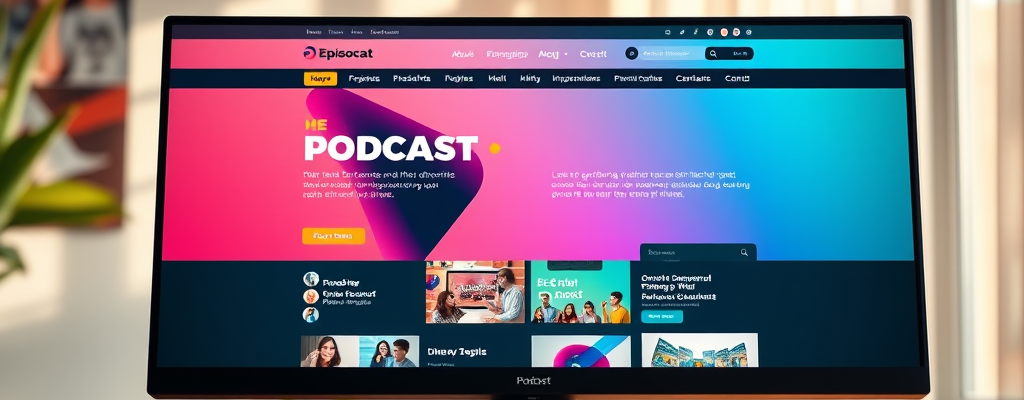
In today’s fast-paced digital landscape, having a compelling podcast isn’t enough—you also need a powerful online presence to match. A well-designed podcast website serves as your central hub. It is a place where listeners can explore episodes and learn about your mission. Here, they can engage with your brand beyond the podcast platform. Whether you’re launching a brand-new show, or you’re elevating your existing one, crafting a captivating website is crucial. It helps you stand out and build a loyal audience.
In this guide, we’ll walk through the top podcast website design best practices. These practices help you increase visibility and foster engagement. They also create a seamless experience for every visitor.
1. Clarify Your Brand and Message
Before diving into design, make sure your website clearly communicates your podcast’s identity:
- Define Your Podcast Purpose: Use your homepage to introduce your show’s theme, tone, and target audience. This is where visitors decide whether they’ll hit “Play” or bounce.
- Deliver Value Up Front: Make it instantly clear what listeners will gain—insight, entertainment, inspiration, or a mix of all three.
2. Create User-Friendly Navigation
Your site should be easy to navigate for first-time visitors and returning fans alike:
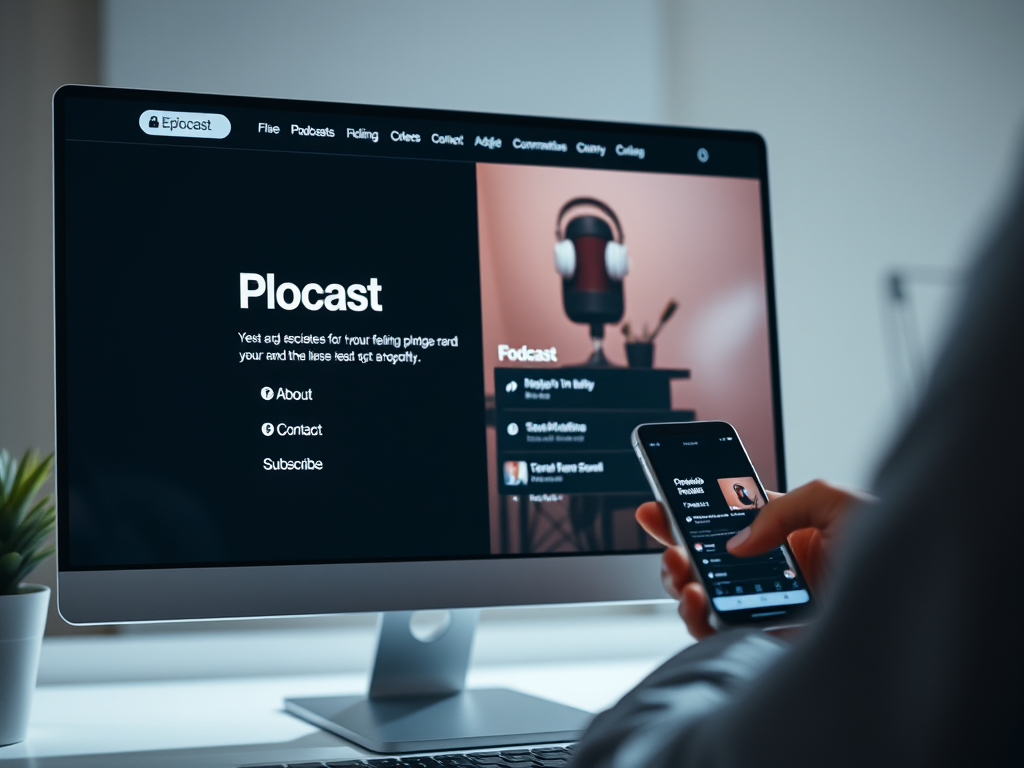
- Intuitive Menus: Structure your navigation to highlight essential pages—Episodes, About, Contact, and Subscribe.
- Sticky Navigation Bar: Consider a fixed menu that stays visible as users scroll, especially on mobile.
3. Embrace Engaging Visual Design
Your podcast’s brand should shine through every visual element:
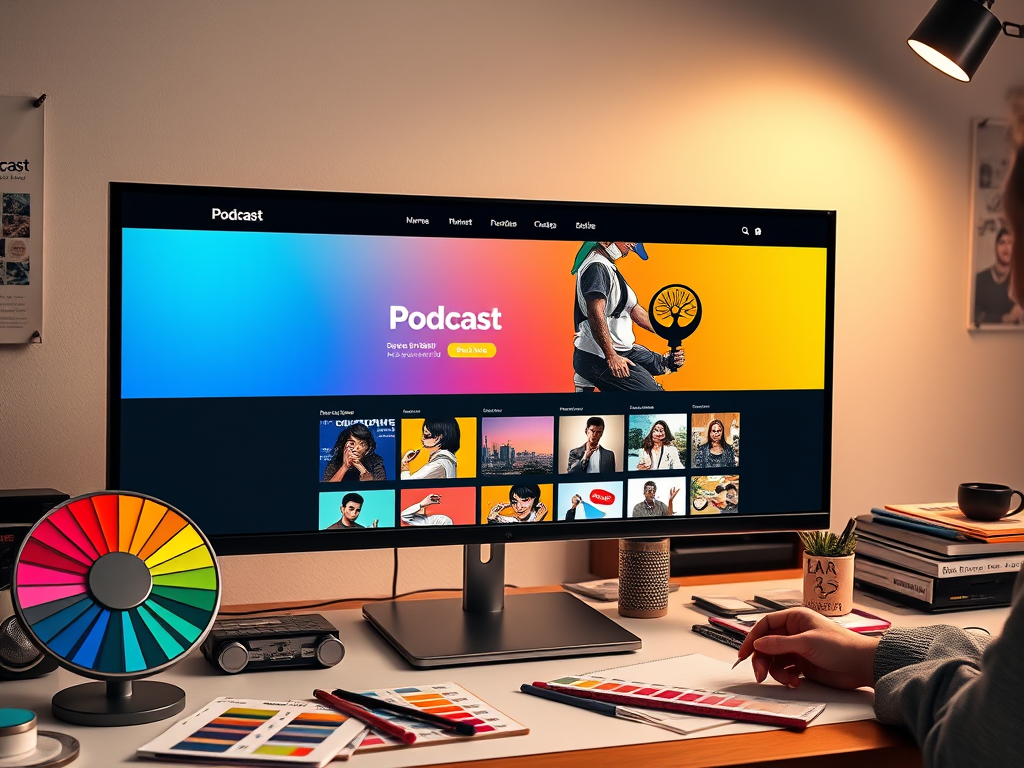
- Eye-Catching Graphics: Use bold images, podcast cover art, and thematic visuals to draw attention and show your show’s vibe.
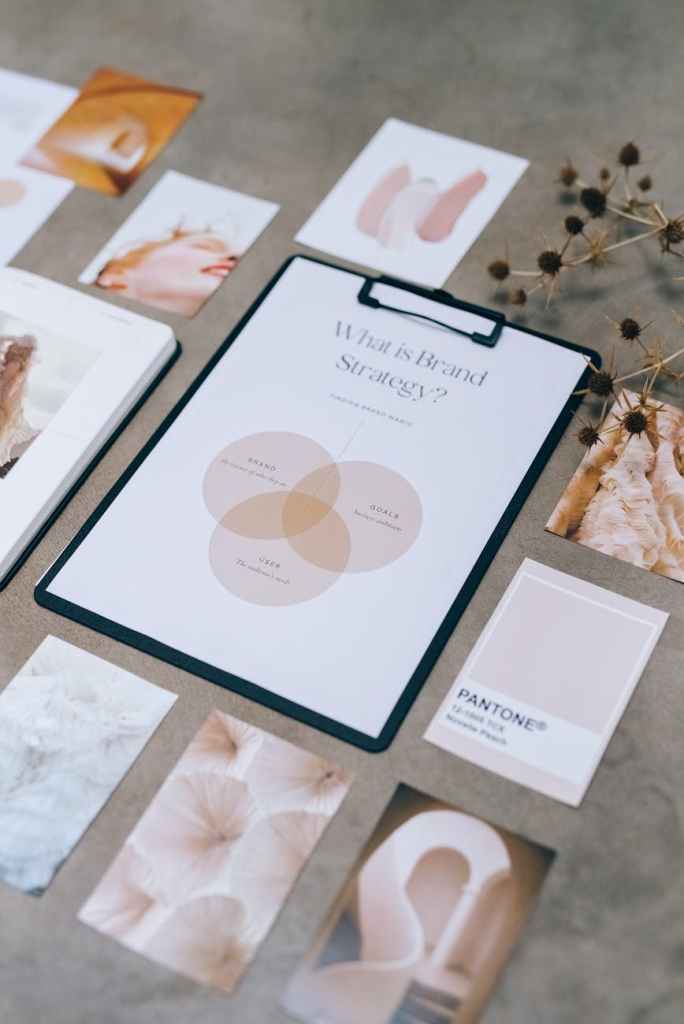
- Consistent Branding: Stick to a cohesive color palette, font set, and logo use to build brand recognition and trust.
4. Showcase Your Episodes Effectively
Let your episodes take center stage:
- Featured Episodes on Homepage: Highlight top or recent episodes for quick access.
- Episode Thumbnails: Use branded, high-quality visuals to give each episode its own identity while staying on theme.
5. Build Out Detailed Episode Pages
Each episode deserves its own dedicated page, optimized for both SEO and user experience:
- Show Notes: Include a brief summary, bullet-point takeaways, guest bios, and outbound links.
- Episode Transcripts: Improve accessibility and increase organic search traffic with full transcripts.

6. Integrate a Seamless Podcast Player
Make listening frictionless:
- Embedded Audio Player: Allow users to stream episodes directly from your site.
- Prominent Play Button: Make sure the play button is visible and responsive across all devices.
7. Share Host and About Information
Listeners want to know the people behind the mic:
- About Page: Tell your story—how the podcast started, its mission, and what listeners can expect.
- Host Bios: Introduce the hosts with compelling bios that highlight personality, background, and expertise.

8. Allow Contact and Interaction
Encourage feedback and collaboration:
- Contact Page: Offer a simple way for visitors to reach out—whether it’s for questions, feedback, or sponsorship inquiries.
- Social Media Integration: Link to all active platforms to grow your community and encourage real-time engagement.
9. Make Subscription and Follow Options Effortless
Don’t miss the chance to turn a casual visitor into a regular listener:
- Subscription Buttons: Include prominent links to Apple Podcasts, Spotify, YouTube, and other platforms.
- Newsletter Sign-Up: Use a pop-up or footer form to collect emails for updates, exclusive content, or behind-the-scenes info.
10. Guarantee Mobile Responsiveness
With the majority of web browsing done on mobile, this is non-negotiable:
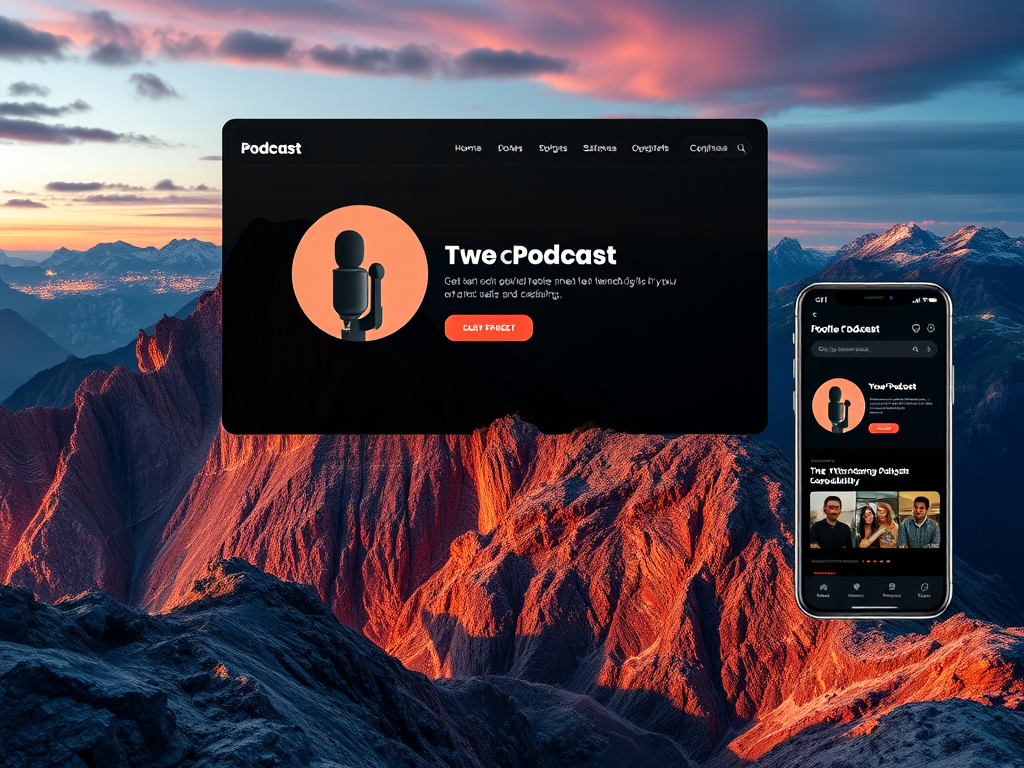
- Mobile-First Design: Improve layouts, images, and buttons for smartphones and tablets.
- Fast Loading Speed: Compress images and streamline code to reduce bounce rates and increase dwell time.
11. Improve for SEO
Search engine visibility helps new listeners discover you organically:
- Keyword-Rich Content: Use relevant keywords like podcast website design, best podcast website, and user-friendly navigation in page titles. Include them in headers and body content as well.
- Meta Descriptions: Write compelling snippets for each page to increase click-through rates from search results.
- Alt Tags for Images: Boost SEO and accessibility by adding alt text to all images and thumbnails.

12. Keep Content Fresh with Regular Updates
A static site feels outdated—keep your content alive:
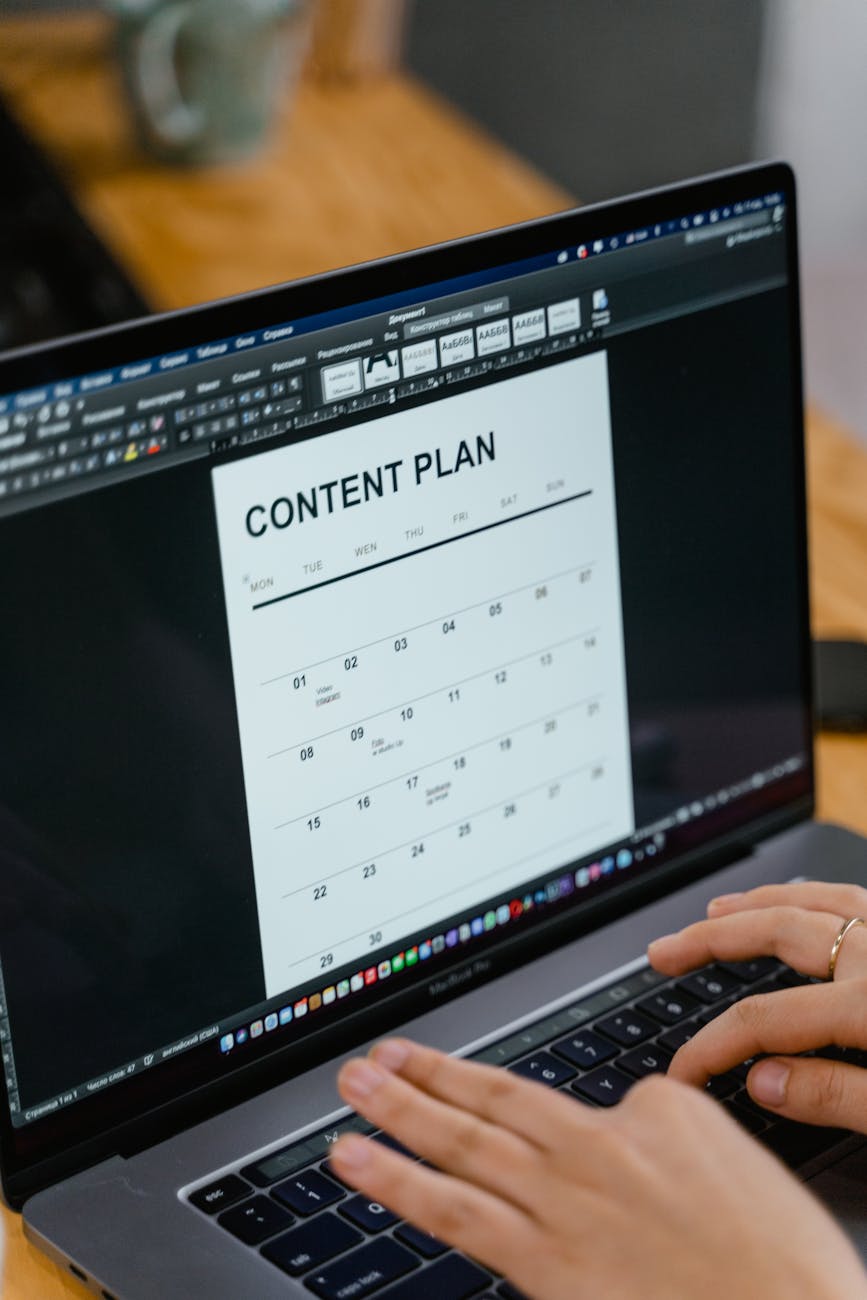
- Add a Blog: Share behind-the-scenes insights, episode extras, guest interviews, or podcasting tips.
- Post Consistently: Even bi-weekly updates can show search engines (and visitors) that your site is active.
13. Use Analytics to Improve Performance
You can’t improve what you don’t track:
- Install Google Analytics: Track page traffic, popular episodes, bounce rates, and user flow.
- Heatmaps and User Behavior Tools: Learn how visitors interact with your site to refine layout and content placement.

Final Thoughts
Designing a captivating podcast website involves more than just putting episodes online. It’s about creating an immersive, on-brand experience. This experience pulls your audience in and keeps them engaged. By implementing these best practices, you’ll build a professional platform that is user-friendly and SEO-optimized. This platform reinforces your brand and grows your listener base. It also supports your podcast’s long-term success.
🎯 Need help bringing your podcast website to life? At Sonorous Laboratory, we specialize in designing custom websites specifically for podcasters. We handle everything from stunning visuals to seamless functionality. We also integrate your podcast, taking care of every detail. This way, you can focus on what you do best: creating powerful content.
👉 Contact us today to get started with a free consultation and take your podcast’s online presence to the next level.
Keywords:
Podcast website design, podcast website best practices, user-friendly navigation, engaging visual design
Hashtags:
#PodcastWebsite #WebsiteDesign #UserFriendly #EngagingDesign #PodcastBranding #PodcasterTips #PodcastGrowth

